Skip to:
A Complete Guide to the Health Benefits of Cold Showers
4 months ago
Cold shower or hot shower? While many prefer warmth, the health benefits of cold showers are gaining attention, making a strong case for turning down the temperature.
The idea of an icy shower might seem daunting, but the potential rewards are worth considering.
Key Takeaways
- Mental and Physical Benefits: Cold showers can boost your mood by triggering endorphin release and improve physical health through better circulation, faster muscle recovery, and healthier skin and hair.
- Effective Muscle Recovery: The cold temperature helps reduce muscle inflammation and soreness after workouts by constricting blood vessels and flushing out waste products like lactic acid.
- How to Get Started: Ease into the practice by starting with lukewarm water and gradually making it colder. Begin with short bursts of cold water and increase the duration as you get comfortable.
- Optimal Timing: Take a cold shower in the morning for an energy boost, after exercise to aid recovery, or before bed to promote relaxation and potentially better sleep.
- Contrast Therapy: Alternating between hot and cold water, known as contrast therapy, can enhance the benefits for circulation, muscle recovery, and stress reduction.
Health Benefits of Cold Showers
Taking a cold shower a few times a week can have a positive effect on your mind and a moderate impact on your physical wellbeing.
The Mental Benefits
Boosts Mood
A cold shower can give you a rush of good feelings. The shock of cold water triggers the release of endorphins—the ‘feel-good’ hormones—which can help alleviate symptoms of anxiety.
Increased Alertness
Sudden immersion in cold water can jolt your body awake, leading to increased alertness and mental clarity.
The Physical Benefits
Improved Circulation
Cold water causes blood vessels to constrict and then dilate, improving overall circulation. Better blood flow means better nutrient delivery to cells and more efficient removal of waste products.
Faster Muscle Recovery
Athletes often use ice baths for good reason: cold water reduces muscle inflammation and soreness, which can help speed up the recovery process after an intense workout.
Glowing Skin and Hair
Cold water closes pores and tightens the skin, promoting a healthier complexion. It can also make your hair appear shinier by flattening the cuticles.
How to incorporate cold showers into your routine
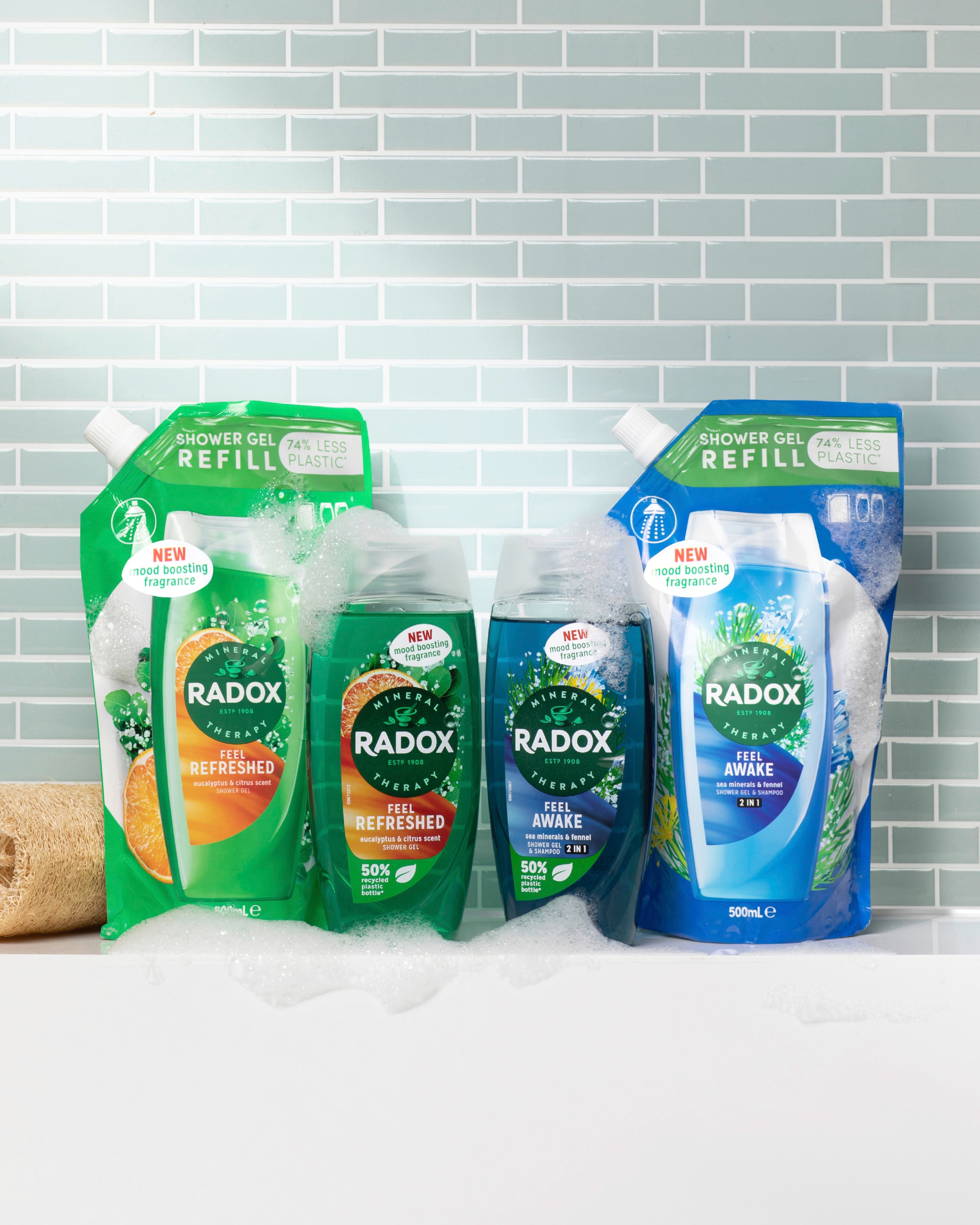
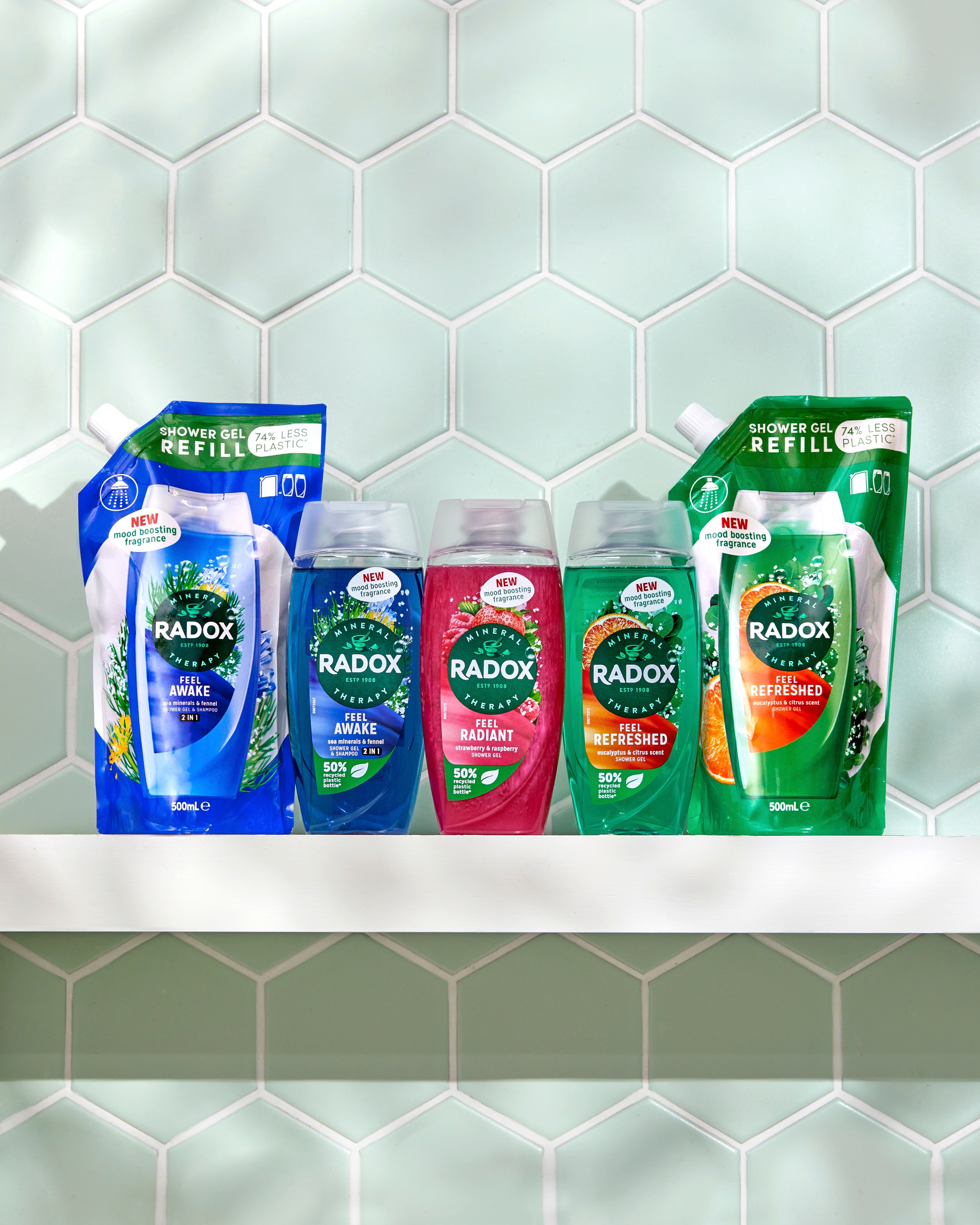
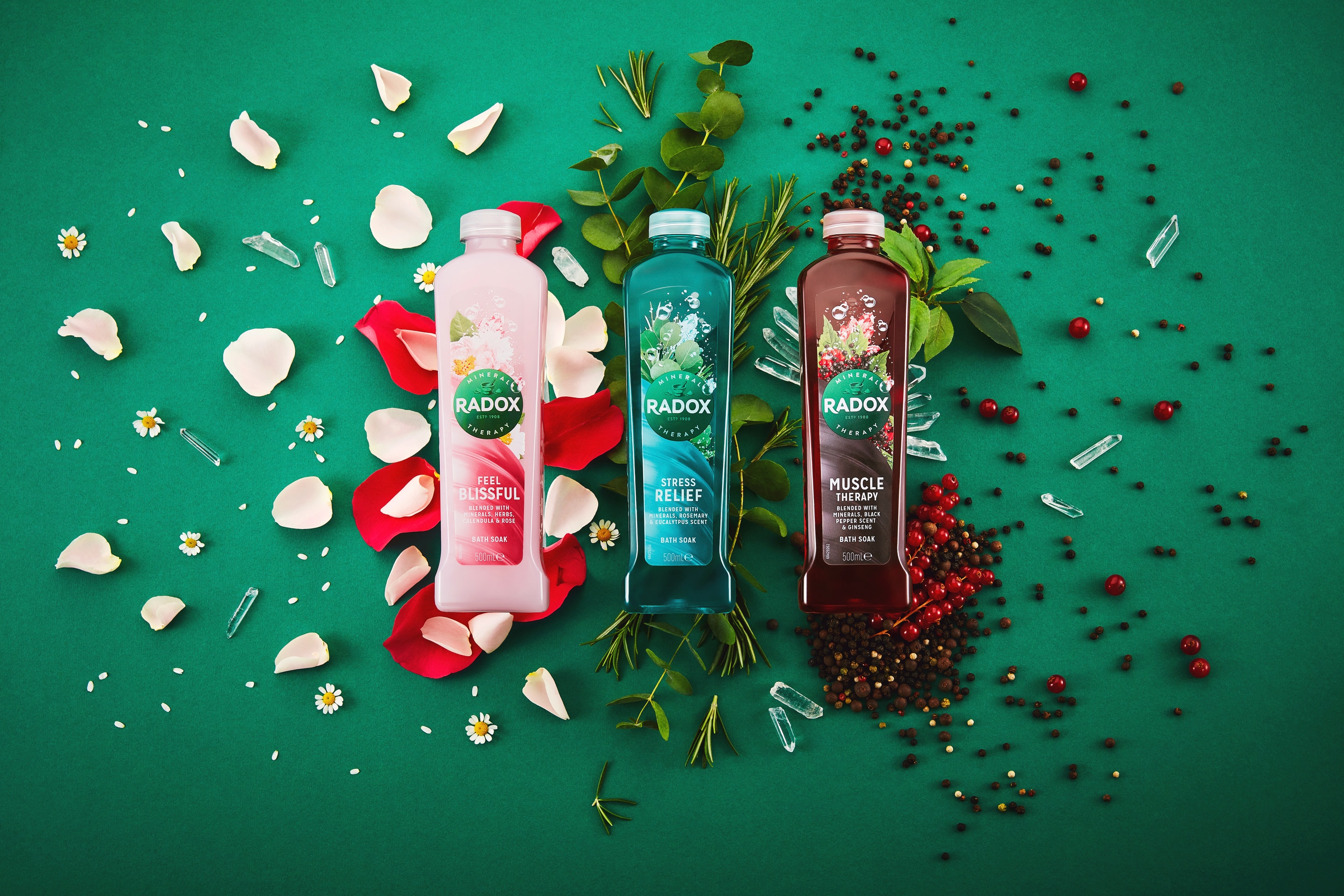
Now that you know the health benefits, these icy showers might sound more appealing—especially with one of our mood-boosting, refreshing shower gels.
If you're new to the experience, it can be a shock to the system. We've put together some practical tips on taking a cold shower to help you ease in.
Ideal Temperature for Cold Showers
What's the right temperature for a cold shower? It’s subjective, but generally, cold water is between 10°C and 21°C. Here are some tips to help you find the temperature that works for you:
Start Slowly
Begin with lukewarm water and gradually decrease the temperature over time. This allows your body to get used to the cold.
Experiment
Find a temperature that feels challenging but manageable. Some people prefer slightly warmer cold showers, while others enjoy the icy-cold sensation.
Duration
You don't need to endure a full cold shower immediately. Start with short bursts of cold water at the end of your regular shower, gradually increasing the duration as you get comfortable.
Best time of day for cold showers
The timing of your cold shower can impact its effectiveness. Here’s what to consider:
Morning
A cold shower in the morning helps wake you up and provides a burst of energy to start the day, improving alertness and mental focus.
After Exercise
Taking a cold shower after a workout can aid muscle recovery by reducing inflammation and soreness. It also helps lower your body temperature after intense activity.
Before Bed
Some people enjoy a cold shower before bed to promote relaxation and better sleep. It can help lower your core body temperature, which helps with falling asleep.
As Needed
You can also incorporate cold showers as needed. On a hot summer day, for example, a refreshing cold shower can be particularly invigorating.
Cold showers and muscle recovery
Beyond invigoration, cold showers are a valuable tool for muscle recovery. Athletes often use cold showers or ice baths to soothe sore muscles and recover faster after intense workouts. Here’s how a cold shower can affect your muscles:
Reducing Muscle Inflammation
Immediate Relief
After a strenuous workout, muscles can become inflamed. Cold water is an excellent remedy, as it constricts blood vessels, reducing blood flow to the area and minimizing swelling.
Pain Reduction
The numbing effect of cold water provides temporary relief from muscle soreness. Many athletes use cold baths or showers, known as "cryotherapy," to manage post-exercise discomfort.
Enhancing Recovery
Faster Recovery
Cold showers can speed up muscle recovery by helping flush out waste products, like lactic acid, that build up during exercise. This can reduce muscle stiffness and improve overall recovery time.
Combining cold showers with hot baths
Cold showers and hot baths each offer unique benefits. Combining these two extremes, known as contrast therapy, can have a powerful impact on your overall wellbeing.
The Benefits of Contrast Therapy
Enhanced Circulation
Alternating between hot and cold water stimulates blood vessel constriction and dilation. This promotes excellent blood circulation, which is beneficial for heart health and vitality.
Improved Muscle Recovery
The combination of hot and cold water aids muscle recovery. Hot baths relax muscles, while cold showers reduce inflammation and soreness.
Stress Reduction
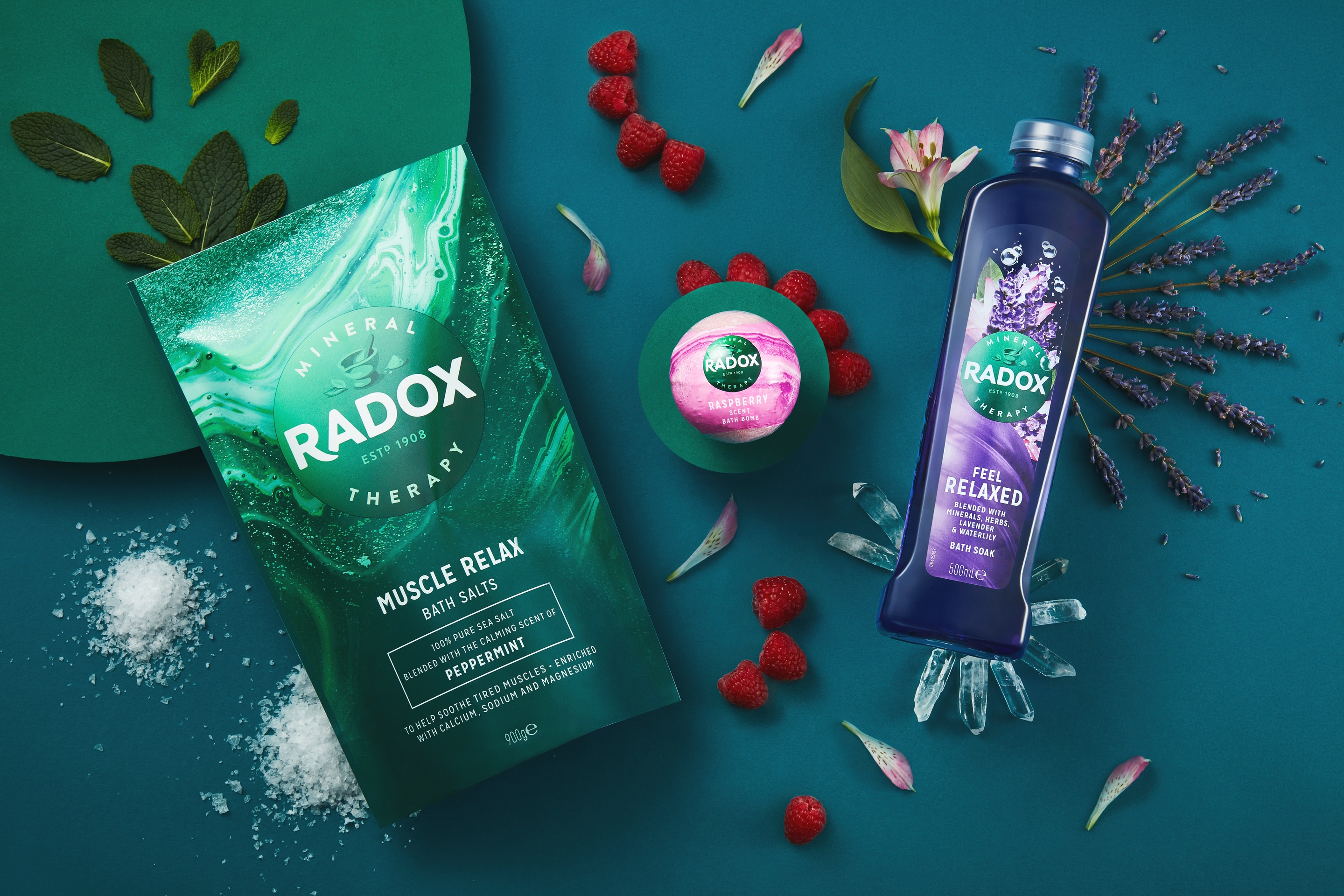
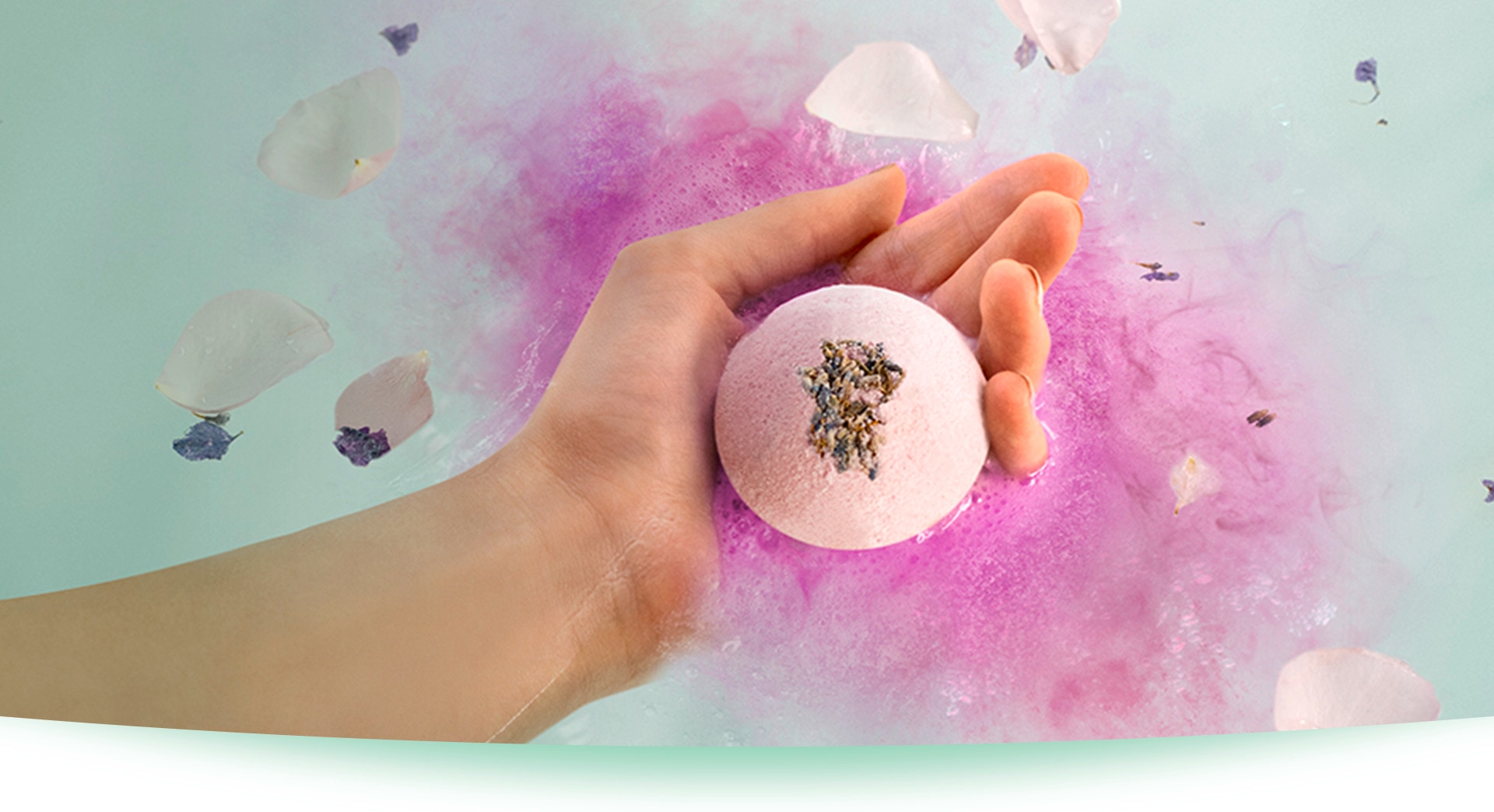
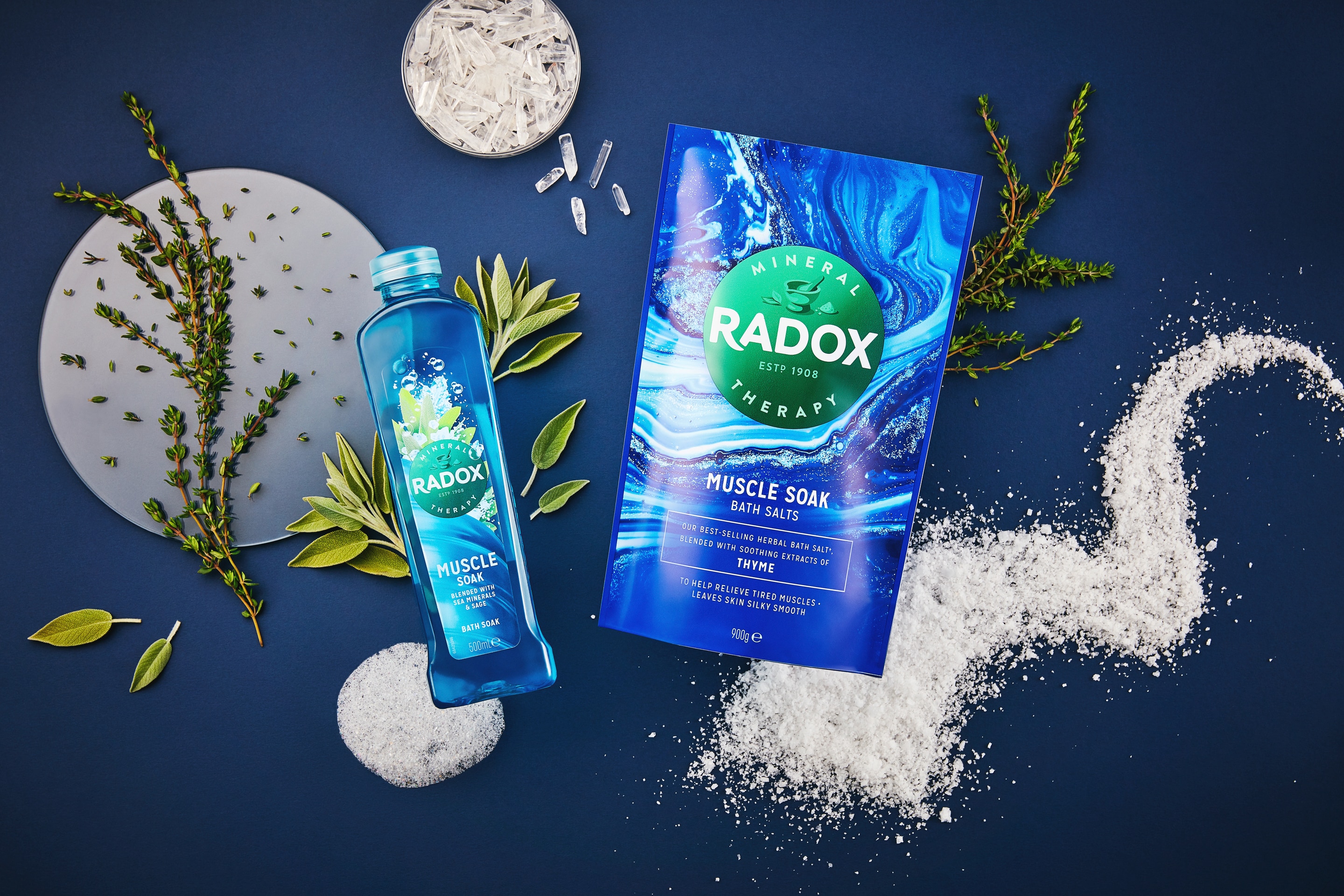
The contrast between hot and cold water can trigger endorphins, providing a natural mood boost and reducing stress. For extra relaxation, try adding Radox Bath Therapy Muscle Soak Herbal Bath Salts to your hot bath.
So, are cold showers good for you? The rewards certainly suggest so. Perhaps it’s time to experience this invigorating chill for yourself. Don’t forget your Radox shower gels when you do.
While many prefer a hot shower, the health benefits of cold showers are gaining significant attention. The thought of an icy blast might be daunting, but the potential rewards for your mind and body are worth exploring.
How to Incorporate Cold Showers Into Your Routine
Frequently Asked Questions About Cold Showers
A cold shower is typically between 10°C and 21°C. It's best to start with lukewarm water and gradually lower the temperature to a point that feels challenging yet tolerable as your body adjusts.
There's no need to start with a long duration. Begin by adding short bursts of cold water at the end of your regular shower and slowly increase the time as you become more comfortable.
The best time depends on your goal. A morning shower can boost energy and alertness, a post-exercise shower can aid muscle recovery, and a shower before bed may help promote better sleep.
Yes, they are very effective. Cold water constricts blood vessels, which reduces inflammation and swelling. It also helps flush out waste products like lactic acid from muscles, speeding up recovery after a workout.
Yes, this practice is called contrast therapy. Alternating between hot and cold water stimulates circulation, improves muscle recovery more effectively, and can provide a greater mood boost and stress reduction.
Yes. Cold water helps to tighten skin and close pores, which can lead to a healthier-looking complexion. For hair, it flattens the cuticles, resulting in a shinier and smoother appearance.
MORE TO EXPLORE

- slide 1
- slide 2
- slide 3
- slide 4
- slide 5
- slide 6
- slide 7
- slide 8
- slide 9
RECOMMENDED PRODUCTS
You might also like these products to enhance your routine.
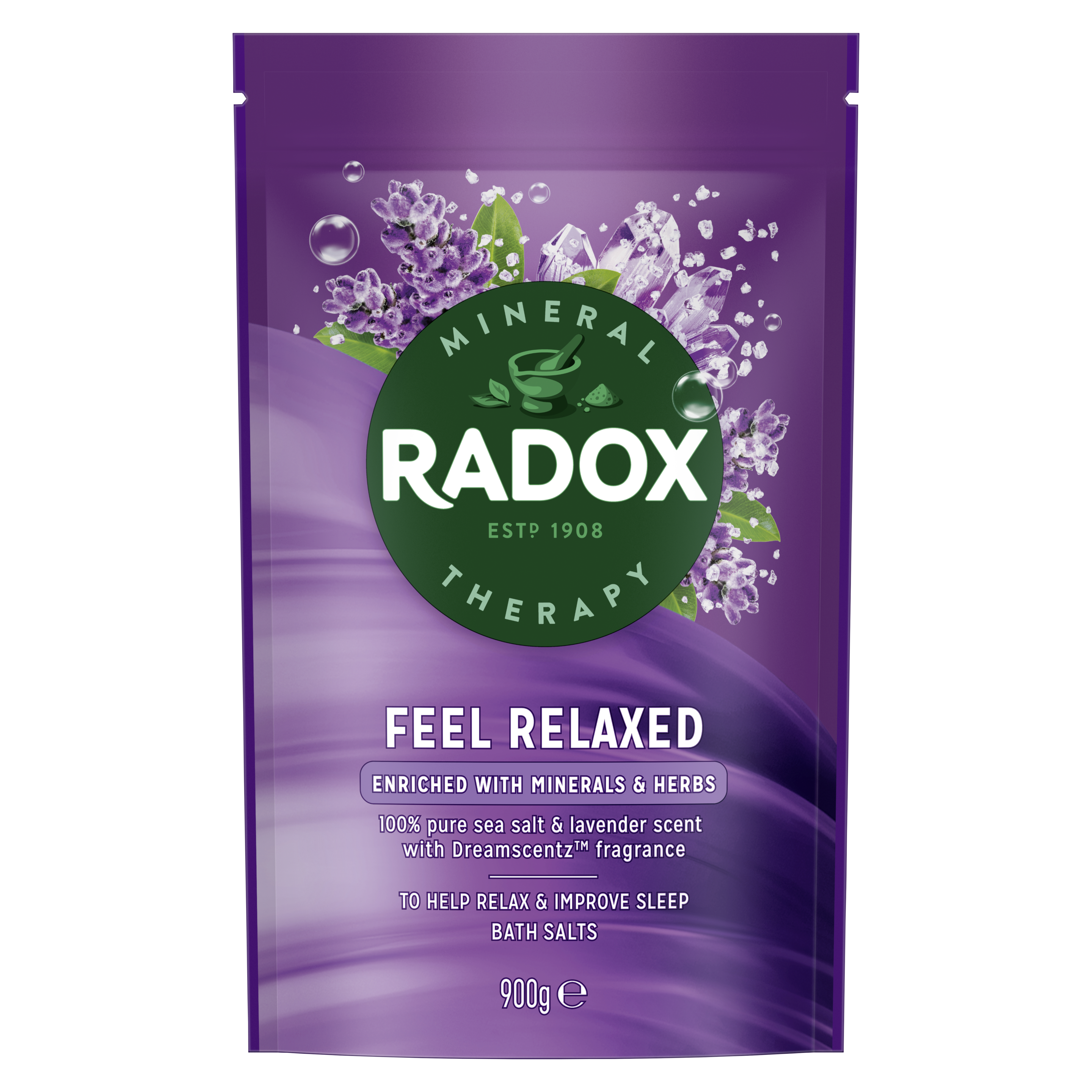
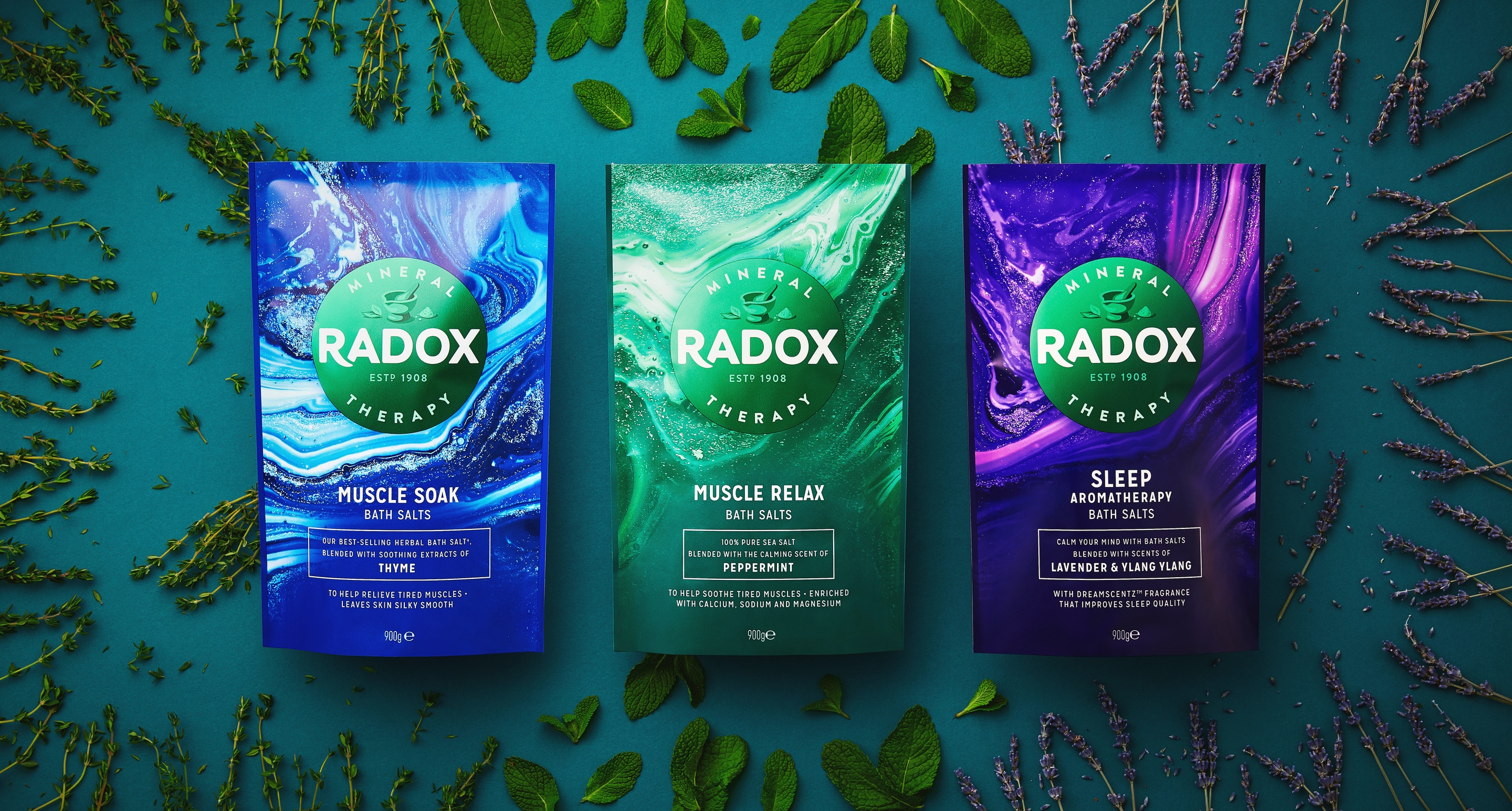
Radox Sleep Aromatherapy Bath Salts are designed to help you unwind and relax after a long day. Infused with calming lavender and ylang-ylang scents, these bath salts are perfect for a restorative bath that helps promote better sleep and soothe sore muscles. The salts blend with Dreamscentz, a natural aroma that aids in stress reduction and creates the perfect atmosphere for sleep. The minerals in the salts, including calcium, sodium, and magnesium, along with Vitamin E, help to rejuvenate and moisturise your skin, leaving you feeling relaxed, soft, and completely refreshed. With Radox’s long history of using nature-inspired fragrances since 1908, you can trust that these bath salts will deliver the perfect blend of relaxation and rejuvenation. Enjoy a moment of tranquillity and let Radox's soothing lavender bath salts transform your bath into a stress-free, rejuvenating experience.
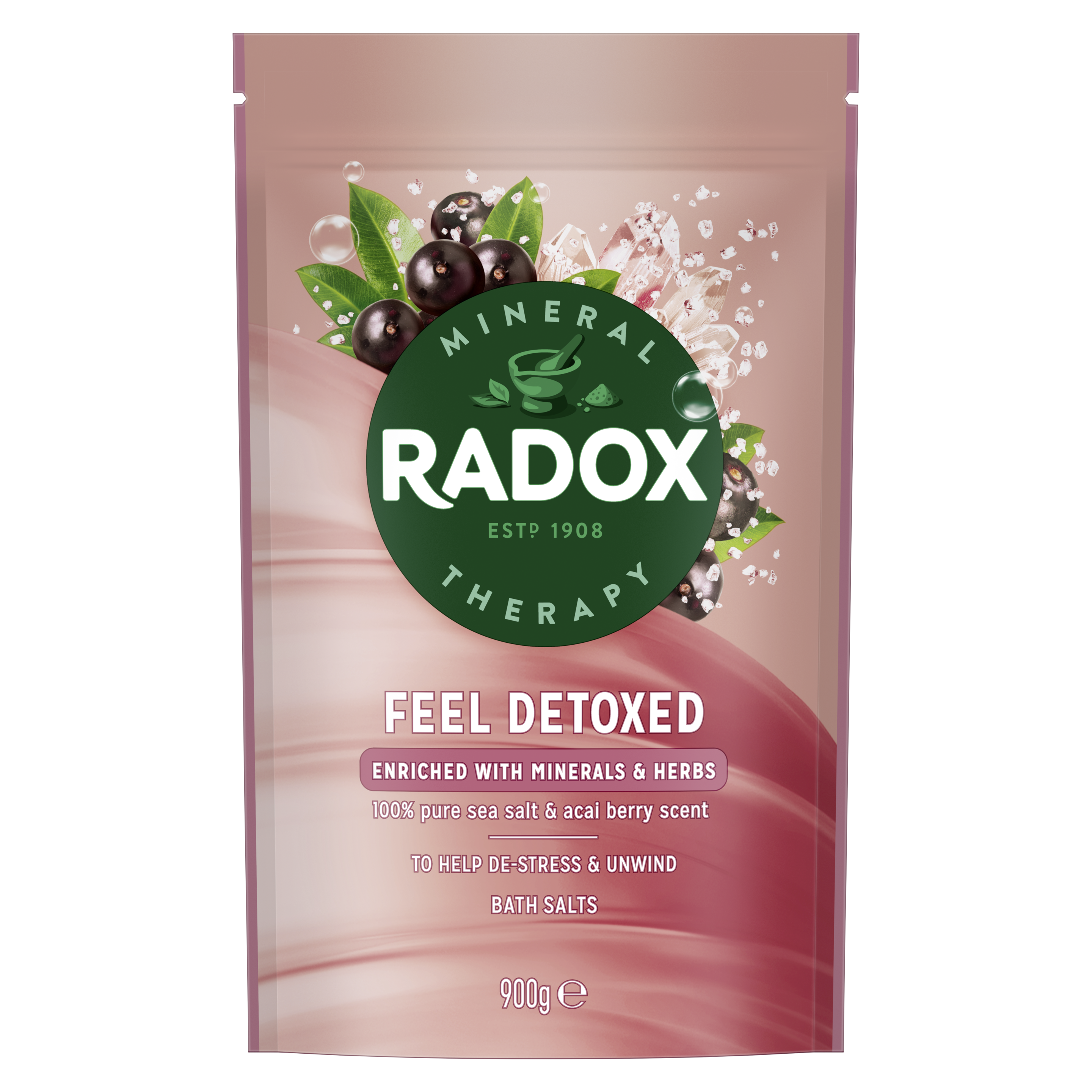
Your body’s trying to tell you something - time to listen. Swap press-ups and lunging for lounging in a bath enriched with mineral sea salts. Sink into a warm bath with RADOX Detoxed Bath Salts, infused with açaí berry fragrance for a soothing and restorative experience. Whether you need a bath to unwind after a long day or to simply ease tension, this formula is designed to help you relax, recover, and refresh. At RADOX, we have been taking inspiration from nature’s incredible fragrances since 1908 to create bath salts that transform your mood. We believe scent has the power to awaken, unwind, and recharge your senses, making every bath a moment of pure relaxation. Indulge with our acai berry bath salts and let the calming aroma help you feel truly revitalised.
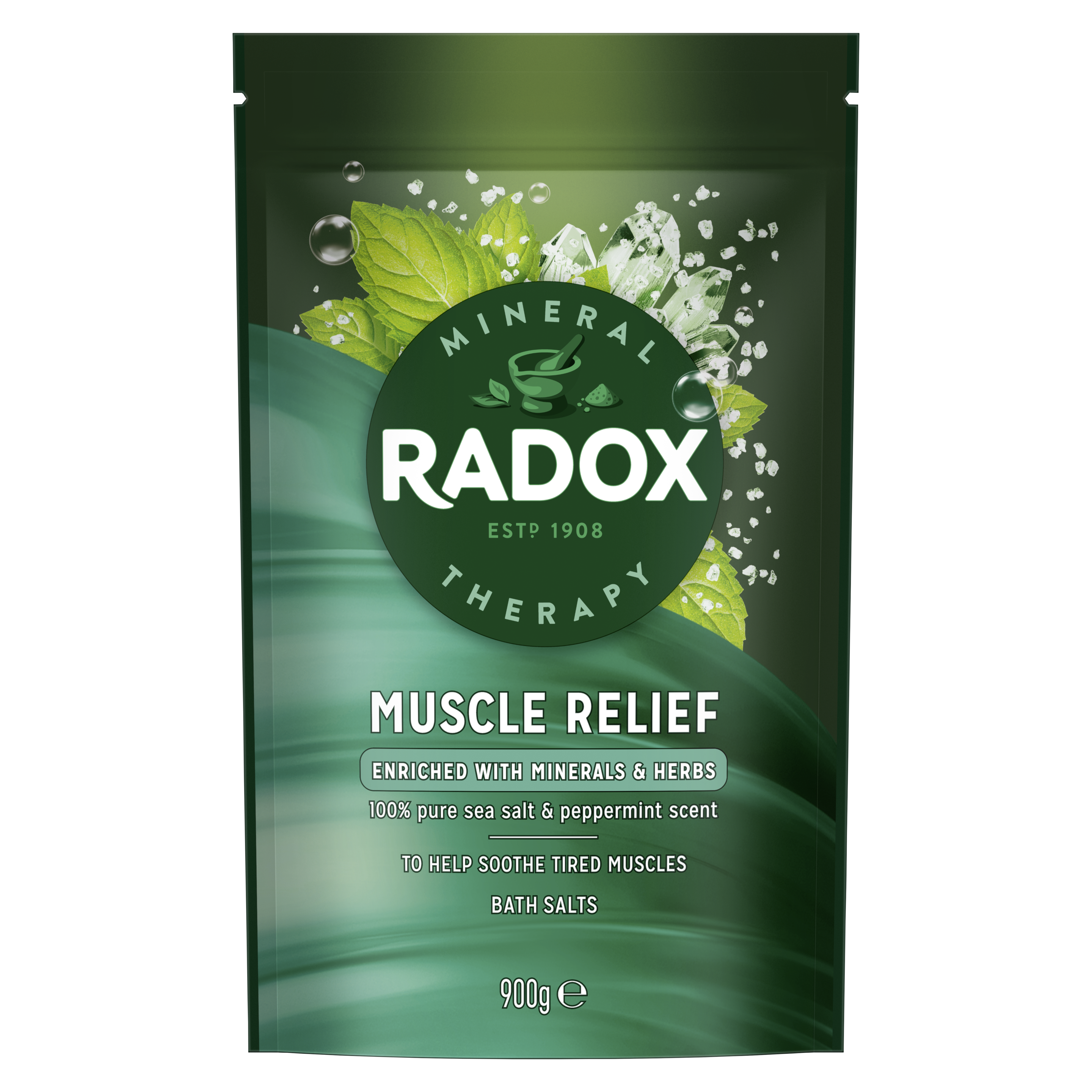
Give your body the relaxation it deserves with Radox Muscle Relax Bath Salts, expertly blended with pure sea salts and invigorating peppermint. Designed to soothe tired muscles, these bath salts provide the perfect way to unwind after an intense workout or a long day. For the best experience, simply pour 2–3 handfuls of our peppermint bath salts under warm running water, allowing them to dissolve before stepping into your mood-enhancing soak. Close your eyes, relax, and let the mineral-rich salts work their magic. Radox has been blending mineral salts since 1908, taking inspiration from nature’s powerful ingredients to create transformative bath products. With the uplifting power of fragrance, this bath soak helps to refresh your senses and leave your skin feeling soft and revitalised.
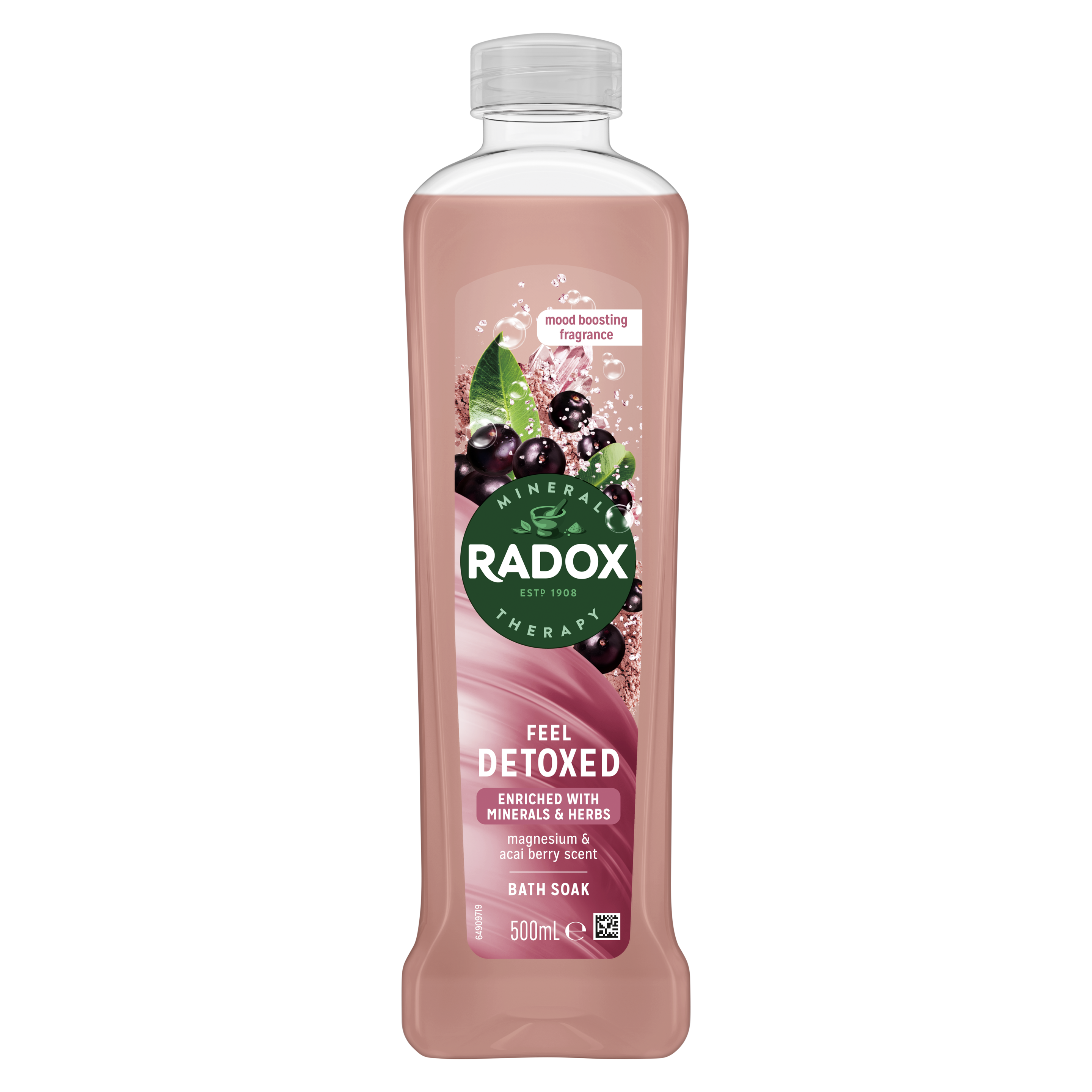
Recharge and reset with Radox Feel Detoxed Bath Soak infused with the soothing scents of acai berry and clay. Designed to help you feel like your true self again, this detox bubble bath provides a revitalising experience while cleansing your body. For best results, pour the bath soak under running water and indulge in a relaxing detox bath. The soothing scent of acai berry combined with the natural benefits of clay helps to refresh your skin and spirit. This bath soak is suitable for daily use, and its PH-neutral formula is dermatologically tested for all skin types. This luxurious bubble bath leaves your skin delightfully fragrant and feeling fresh, while the calming fragrances enhance your mood. Since 1908, Radox has crafted products inspired by nature, with a focus on transformative scents that help you achieve the mood you desire. The fragrance has the power to uplift, relax, and rejuvenate, and Radox Feel Detoxed bath soak is the perfect addition to your self-care routine."
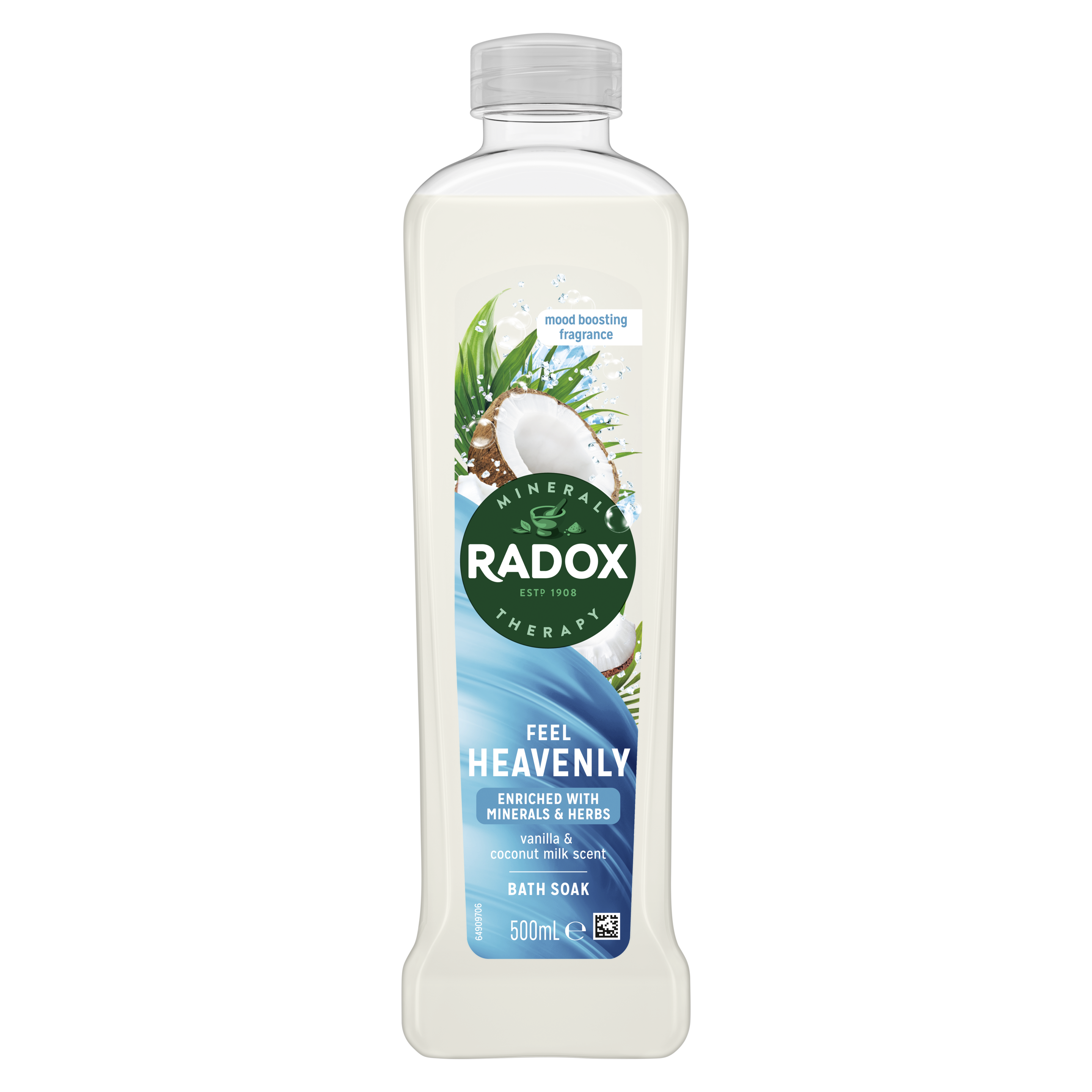
Sink into the luxurious scent of coconut bath soak and experience the essence of paradise with RADOX Feel Heavenly Bath Soak. Close your eyes and let your spirits soar, surrounded by the rich, creamy fragrance of coconut milk. Designed as a moisturising bath soak, it leaves your skin feeling soft and delicately scented, transforming your bath into a spa-like retreat. Whether you need a sleep soak to unwind before bed or a muscle soak to ease tension, this formula is crafted to help you relax, refresh, and rejuvenate. For the best results, pour this bath soak under running water and let the creamy bubbles envelop you in relaxation. Avoid contact with eyes; if irritation occurs, discontinue use. At RADOX, we have been blending nature-inspired fragrances since 1908, creating bath products designed to transform your mood. We believe fragrance has the power to uplift, soothe, and restore, making every bath a moment of self-care and tranquillity. Indulge in the perfect bath soak experience and let the calming scent of coconut transport you to paradise.
- slide 1
- slide 2
- slide 3
- slide 4
- slide 5

© {{dynamicYear}} Unilever. All Rights Reserved
This web site is directed only to UK consumers for products and services of Unilever UK.This web site is not directed to consumers outside of the UK.